







When AI Leaves a Paper Trail: What Claude's New Watermark Means for Your Contracts
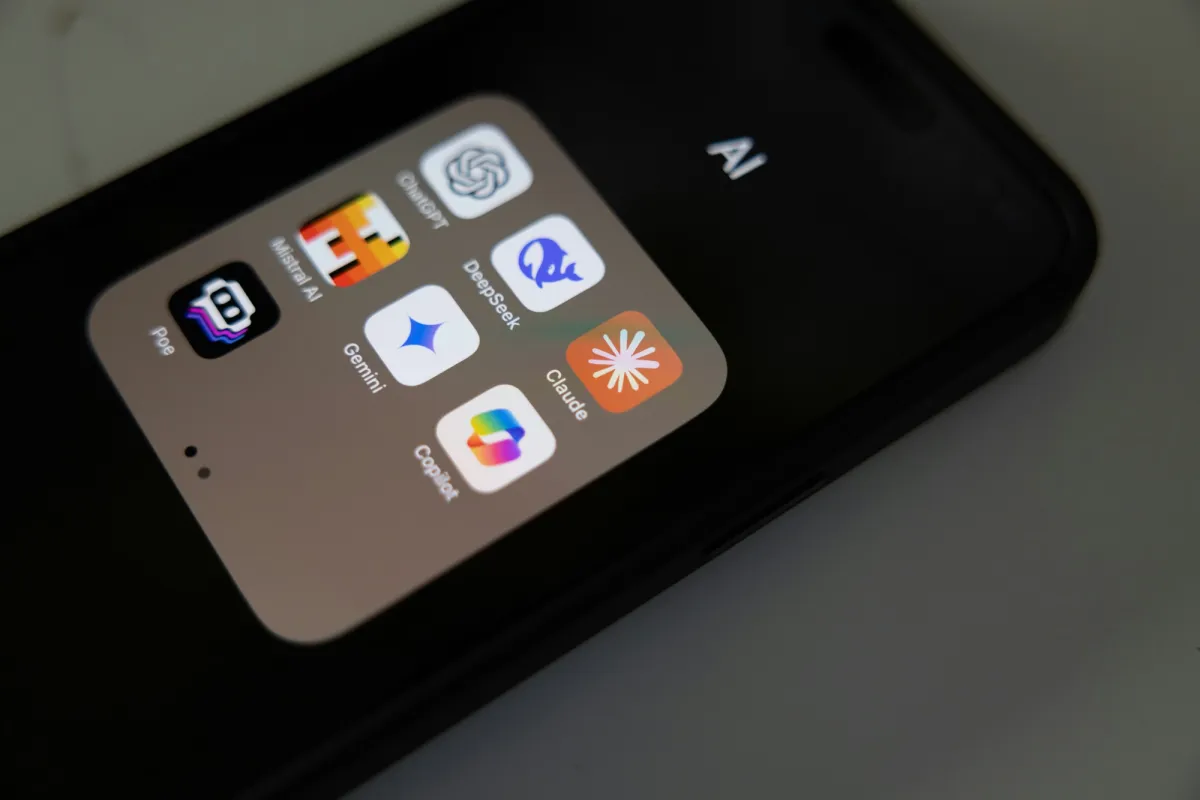

Anthropic has announced that its Claude models will begin embedding invisible, machine-detectable watermarks into AI-generated text.[1] The move is tied in part to Article 50 of the European Union’s AI Act. The relevant transparency obligations began applying on August 2, 2026.
These rules require providers of certain AI systems to make synthetic or AI-generated content identifiable in specific circumstances.[2] Anthropic has joined companies including OpenAI, Google, and Meta in agreeing to the EU’s transparency commitments.[3]
For businesses, however, the impact goes beyond compliance. As AI becomes part of how companies create content, software, reports, and other work product, businesses need to consider a new question: What does AI use mean for contracts, intellectual property, disclosure obligations, and ownership?
What the Watermark Actually Does
The technology applies to Claude models launched on or after August 2, 2026. Anthropic has said that supported Claude models launched in the EU on or after that date include machine-readable marking. The company is also working to add marking to models launched before that date.[4]
The watermark is embedded during generation. It is designed to survive copying and pasting. However, it may not survive heavy editing, paraphrasing, translation, or the combination of AI-generated text with other content.[4]
Anthropic has also made an important distinction: the watermark is a signal, not a certification.[5]
A detected mark can indicate that Claude was involved in writing text. But the absence of a mark does not prove that AI was not used.[5]
That distinction raises a simple but important question: What does “AI-assisted” actually mean?
A document written entirely by Claude is clearly AI-generated. The answer becomes less obvious when a person provides the initial ideas, rewrites parts of the text, edits the final version, or uses AI only for research and brainstorming.
As AI tools become part of everyday business workflows, companies will need to define where that line falls. They may also need to consider whether their contracts, internal policies, and statements about authorship and originality address AI-assisted work.
Why This Is a Contract Issue, Not Just a Technology Issue
AI provenance is becoming a contractual issue, not just a technology issue.
Consider a business that represents that its work product is:
- Original
- Created by humans
- Free of third-party material
The use of an AI tool could raise questions about whether those statements remain accurate.
The same issue can arise in agreements that address:
- Intellectual property ownership
- Confidentiality
- Third-party materials
- Permitted AI use
- Disclosure requirements
- Representations and warranties
Anthropic’s watermark does not prove that Claude created an entire document. At most, it can indicate that Claude may have been involved in creating or processing the content.
Still, the technology points to a larger shift. Businesses may soon have more reliable ways to identify AI involvement in their work product.
That makes it more important to address AI use directly in contracts and internal policies rather than relying on assumptions later.
What Businesses Should Do Now
AI use should not be left entirely to individual employees. Companies should establish clear rules for how and when AI tools can be used.
Businesses should consider:
- Defining permitted AI use: Establish when employees can use AI for drafting, research, analysis, coding, or other work.
- Protecting sensitive information: Set clear rules about what information employees can enter into AI tools.
- Addressing disclosure: Determine when AI-generated or AI-assisted work must be disclosed to clients, counterparties, or regulators.
- Reviewing contracts: Consider whether existing representations, warranties, confidentiality provisions, and IP terms address AI use.
- Aligning internal policies: Make sure AI policies work with existing intellectual property, privacy, cybersecurity, and data governance practices.
- Preparing for greater detection: Consider how new AI detection technologies could affect contractual obligations and business processes.
A clear AI-use framework can help companies manage these risks before they become contractual or compliance problems.
The Bigger Picture
Anthropic’s watermarking initiative is one example of how quickly the landscape around AI-generated content is changing.
Regulators and technology companies are developing new ways to identify AI involvement in content. At the same time, businesses are using AI across more areas of their operations.
AI should not be treated as simply another productivity tool. Its use can affect contracts, intellectual property, confidentiality, disclosure, and internal governance.
The key question is no longer whether your business uses AI. It is whether your contracts, policies, and internal processes reflect how your business actually uses AI.
If your organization has not yet reviewed its contracts, representations, or internal AI-use policies in light of these developments, now is a good time to do so.
Rikka Law Group regularly advises clients on agreements and governance frameworks related to AI. Reach out if you would like to discuss how these changes could affect your business.
References
[1] Anthropic Help Center, “How Claude marks AI-generated content,” support.claude.com
[2] European Commission, “Guidelines on transparency obligations for providers and deployers of AI systems,” July 20, 2026, digital-strategy.ec.europa.eu
[3] Forbes, “Claude Will Now Leave a Watermark on Everything It Writes—What Does That Mean?,” Aug. 13, 2026, forbes.com
[4] iTech Post, “Anthropic Claude's Text Watermarks Are Coming Soon in Compliance with EU's Transparency Laws,” Aug. 17, 2026, itechpost.com
[5] Anthropic, “How Claude's text watermarking works,” anthropic.com