











SEC Retreat Raises New Questions for Crypto Regulation
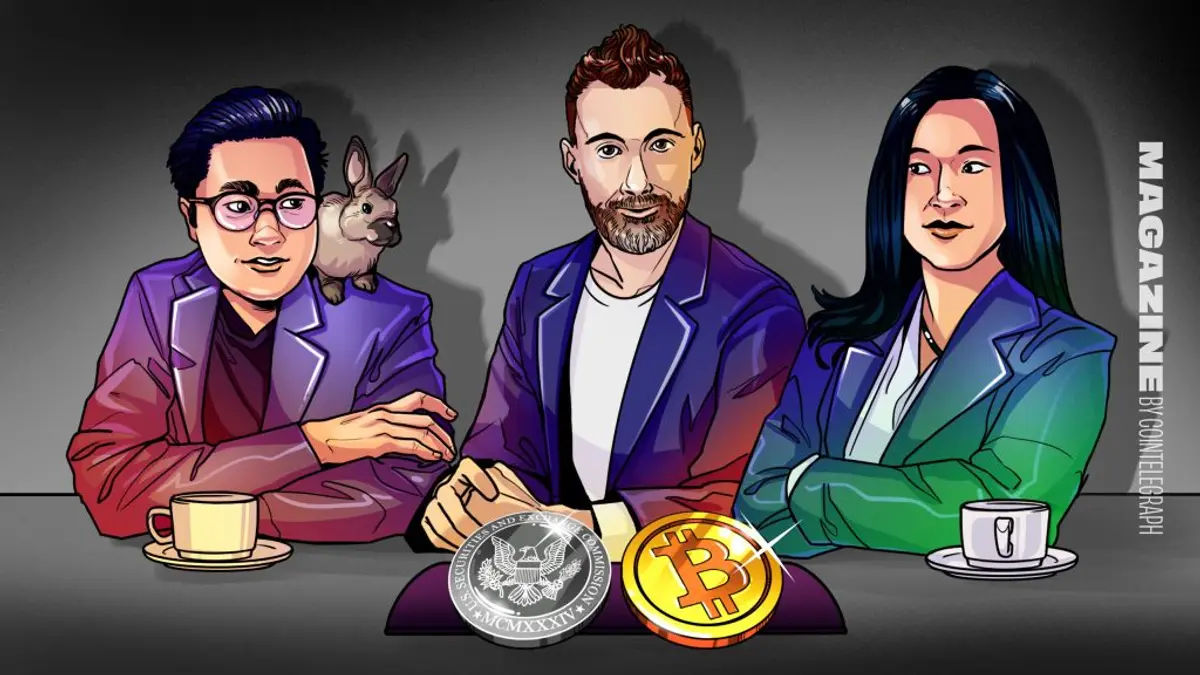

The evolving landscape of cryptocurrency regulation in the United States continues to spark debate, with the U.S. Securities and Exchange Commission (SEC) recently retreating from several high-profile enforcement actions against major crypto platforms such as Coinbase, OpenSea, Uniswap, and Robinhood. While many in the industry view these developments as a positive shift, fundamental questions about regulatory clarity remain unresolved.
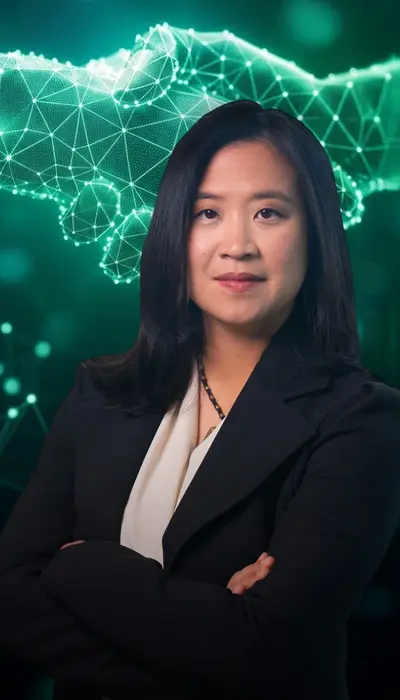
In a recent Cointelegraph article, Rikka Founder Charlyn Ho shared her insights on the implications of the SEC’s changing approach and what it means for the future of crypto regulation.
Ho explained that the SEC, as the plaintiff in these cases, has the authority to withdraw lawsuits, but this leaves the industry in a regulatory gray area. “Whether that leaves the industry in a bit of a vacuum, in some respects, yes. But it’s also kind of what the industry asked for,” Ho noted, pointing to longstanding criticism that the SEC’s previous enforcement actions were perceived as arbitrary and capricious. Industry players like Coinbase and Ripple have challenged the SEC’s jurisdiction under the Administrative Procedure Act, advocating for clearer rules rather than regulation by litigation.
While the withdrawal of cases removes immediate legal threats, Ho emphasized that it highlights the need for more concrete guidance through legislative or regulatory action. She pointed to the creation of a new crypto task force as a step toward filling this regulatory void, underscoring that case law should not be the sole avenue for achieving clarity in the crypto space.
On the topic of litigation against regulators, Ho clarified a common misconception: “In the US, you can sue anyone for anything, even if you don’t have a meritorious claim.” However, she cautioned that initiating a lawsuit is one thing, but prevailing in court is another matter entirely. She also stressed the importance of indemnification clauses in crypto transactions, as legal costs can arise regardless of the merit of a claim.
Turning to the complex intersection of blockchain, NFTs, and copyright law, Ho highlighted the growing wave of litigation surrounding generative AI and data scraping practices. She noted that while scraping publicly available data may seem permissible, it can still infringe upon copyright protections. Furthermore, AI-generated outputs could potentially violate copyright if they are deemed derivative works. With limited case law to date, Ho emphasized the need for further judicial clarity in this rapidly advancing area of technology. “If the AI is creating derivative works of somebody else’s work product that they have a copyright in, essentially that’s a violation of the original copyright holder’s copyright. This gets really, really complicated because there’s very little case law right now.”
As the crypto industry awaits clearer regulatory frameworks, Ho’s commentary underscores both the progress and the persistent ambiguity surrounding U.S. crypto law. Her insights reinforce Rikka’s commitment to staying at the forefront of developments that impact innovators, investors, and businesses navigating this dynamic legal environment.
Read the full article here.